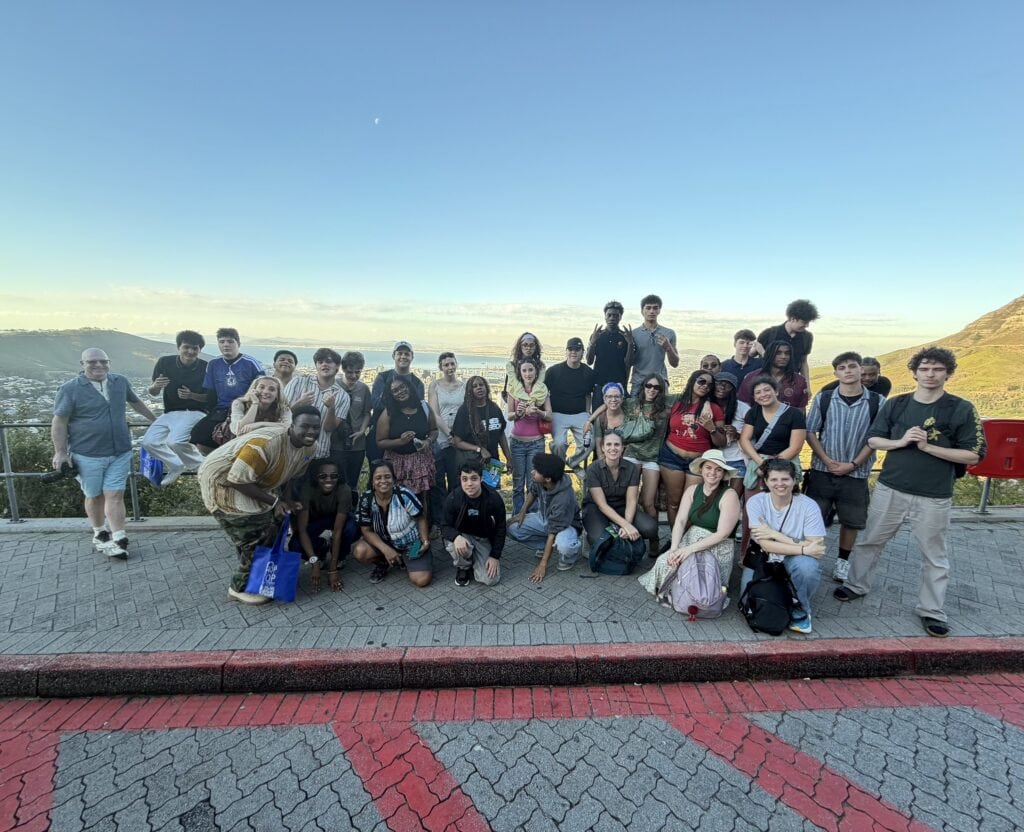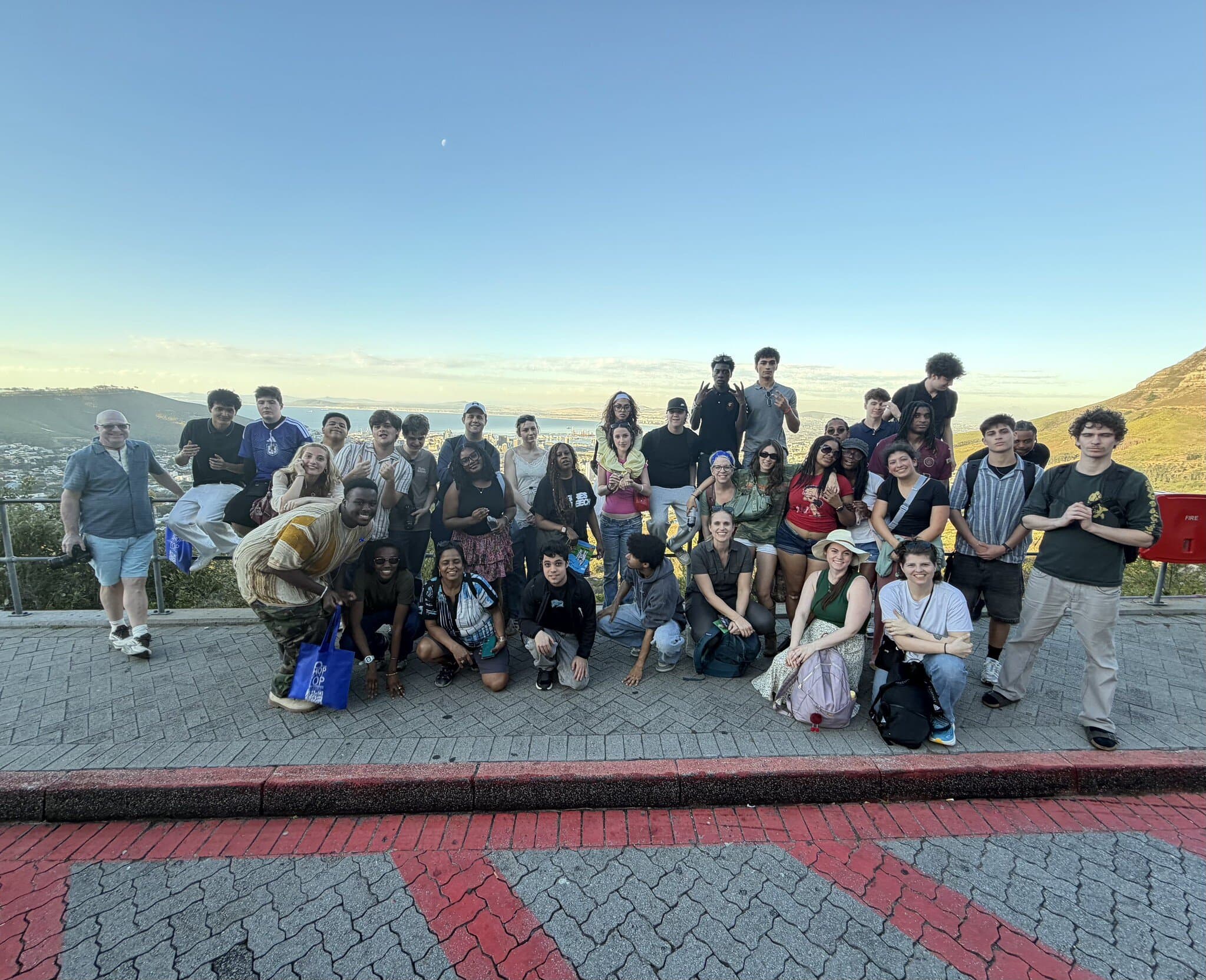

Once again this year, a group of MMFS seniors spent their spring break on an extraordinary trip to South Africa, with stops in Johannesburg, Kruger National Park, and Cape Town. The band of 37 travelers—27 students and 10 MMFS chaperones—explored points of historical, political, international, and environmental importance.
This trip is part of MMFS’s commitment to introducing students with learning disabilities to international travel. Whether it’s the 10th grade trip to Germany and Austria or the upperclass spring break trip to countries like Japan, Italy, or Vietnam, it’s a powerful experience, helping our students gain a global perspective and greater confidence in their ability to navigate the world.
To prepare for this trip, students spent two months in a co-curricular learning about modern South Africa, Apartheid and its lasting impact, Nelson Mandela’s role in the resistance and then the government of South Africa, biodiversity and sustainability, contemporary South African politics and issues, and responsible tourism. This trip was not only about sightseeing but about understanding the past, questioning the present, and shaping the future.
The MMFS faculty and staff who chaperoned this trip—Amanda Toomey, Mark Doty, Bronwyn Fleming-Jones, Amin Linder, Jen Simpson-Somerville, John Papa, Julie St. Germain, Linda Jean-Mary, Mary DeLouise, and Shani Mutenda— wrote daily emails to the families of the students on the trip. This recap is a condensed version of their day-by-day accounts.
After 15 hours of flying, we arrived in Johannesburg and reunited with our tour director, Patricia, who so expertly led last year’s expedition.
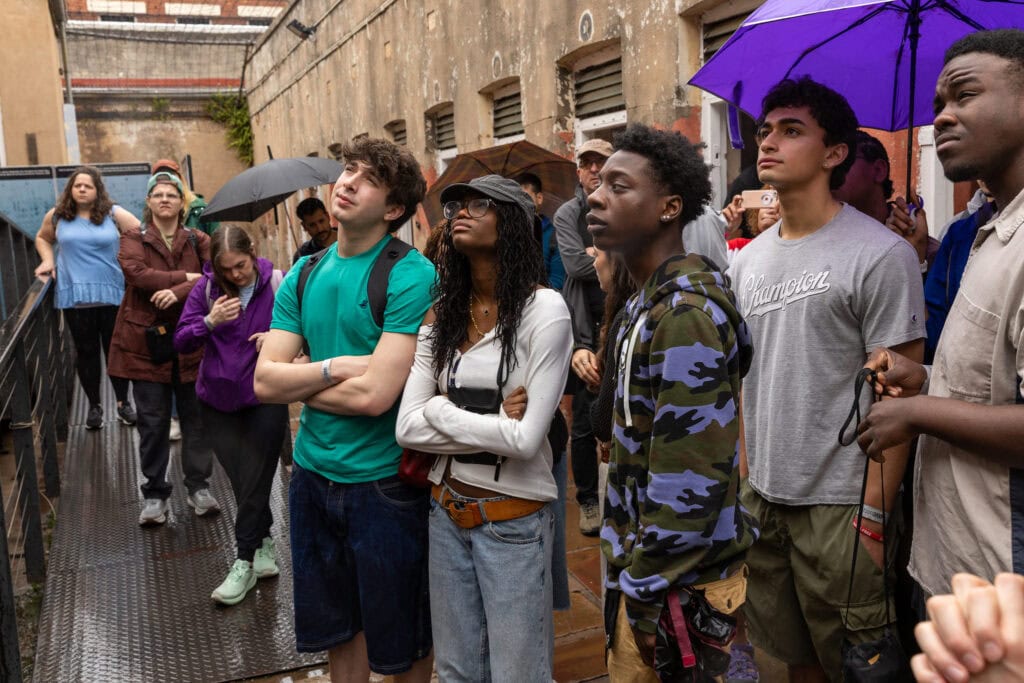
The trip got off to an incredible start. Day One in Johannesburg was packed with meaningful experiences, thrilling excursions, and unforgettable memories! Our first stop was Constitution Hill, the former prison complex that held criminal and political prisoners including Nelson Mandela and Mahatma Gandhi. Our tour guide, Ntsako, led us through the men’s section of the Old Fort Prison and then to the Constitutional Court. The tour was solemn, as we learned about the differences in treatment of prisoners. Sleeping arrangements, food options and rations, as well as shower availability all varied according to race, with white prisoners receiving the better treatment and Black prisoners receiving the worst. The humiliation and torture the prisoners endured, along with the filthy, disease ridden conditions in which they lived, were unfathomable. After the fall of Apartheid, the new South African government built their highest court on the site of this former prison.
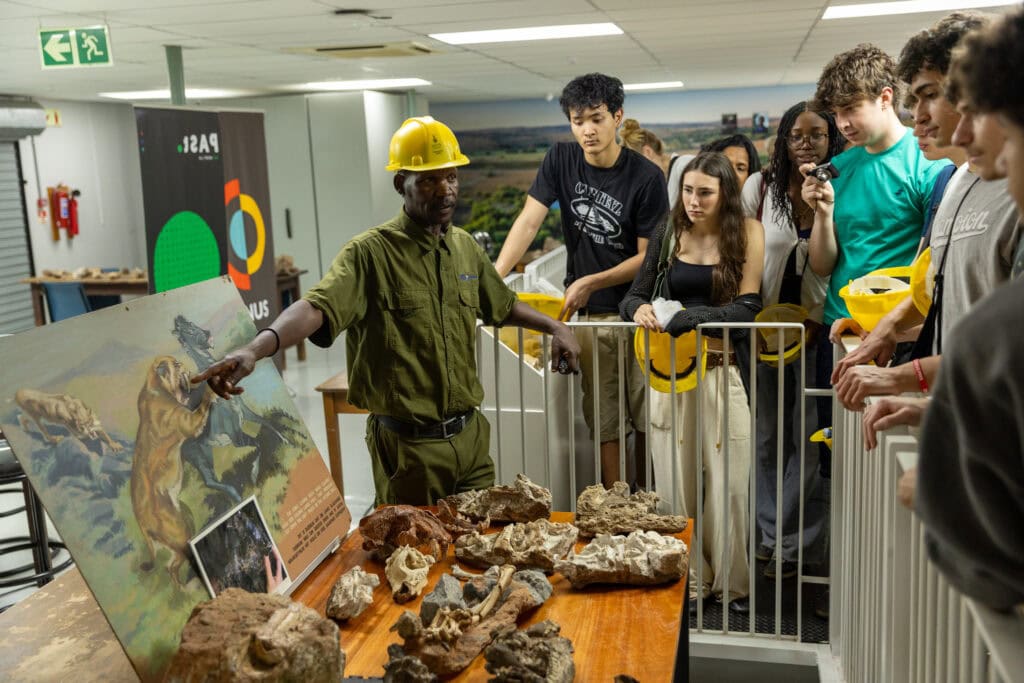
We then took a long drive out to Sterkfontein Caves, a World Heritage Site known as the Cradle of Humankind.This is one of the most important paleo/anthropological sites in the world, where fossils of early human ancestors have been discovered. Our tour guide, Sipho, was a trained fossil technician who was excited to share his passion with us. We donned hard hats, descended stairs, ducked through narrow passages, and stood in large limestone chambers. Along the way, we learned about how fossils were formed and uncovered over time. Standing in a place where some of the earliest evidence of humanity was found reminded us that all humans share a common origin, a powerful message as we continue to reflect on South Africa’s history and its ongoing journey toward justice and equality.
The next day we embarked on our “Journey to Freedom.” Patricia gave us a brief history of Apartheid in South Africa, starting with the colonization period, through the creation of the Apartheid state and the various ways individuals and groups came together, risked their lives, or were killed in their fight to dismantle the Apartheid regime. She also shared her personal story, giving us the opportunity to hear firsthand how women were treated and the challenges they faced. Many of us were inspired by how Patricia confronted those challenges and rose to her full potential to build a better life for herself.
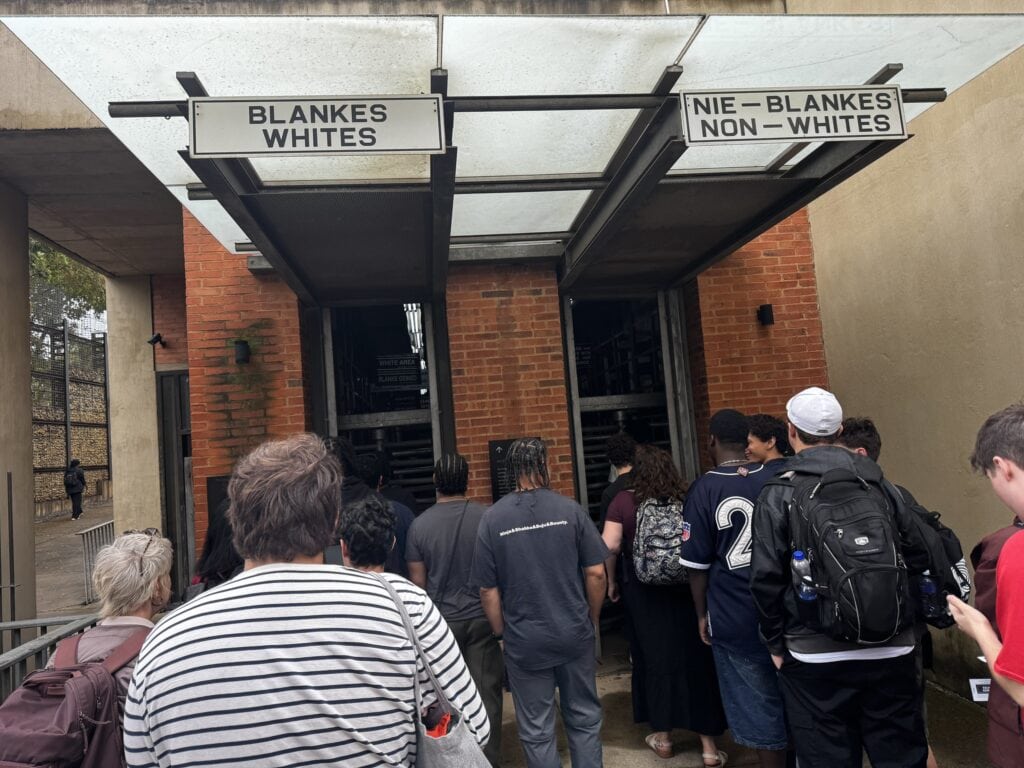
The first stop was the Apartheid Museum. The immersive experience of this museum begins the moment you receive your entry ticket, which is marked either White or Non-White. The tickets were handed out randomly, but If your ticket said “Non-White,” you had to enter a smaller exhibit and take the stairs. Once inside the museum, there was so much to see. In one direction, there was a deep dive into the life, activism, imprisonment, and presidency of Nelson Mandela. In the other direction, we explored the rise and fall of Apartheid in South Africa.
We were joined by a special guest, MMFS 9th grader Zev, who was in South Africa visiting his family. The students were thrilled to see him and hear his perspective on his family’s life in Johannesburg.
We next headed to Soweto, where we picked up our local tour guide, MamaQween, a resident of Soweto. Soweto stands for South Western Township and it is the largest township in South Africa. During Apartheid, townships were the segregated locations that Black South Africans were forcibly moved to by the white government. Soweto has since grown into a bustling area.
Next stop: Regina Mundi Roman Catholic Church, which played a key role in the anti-Apartheid movement. During the Soweto Uprising, a student protest against being forced to receive education in Afrikaans, the language of their oppressor, students sought refuge inside the church during violent police retaliation. You can still see the bullet holes from that day inside the church.
After a delicious local buffet lunch on Vilakazi Street, we made our way to tour Nelson and Winnie Mandela’s house in Soweto—on the same street where Desmond Tutu lived. Two Nobel Peace Prize winners, and they lived within two blocks of each other! After his release from prison, Mandela lived in this house only 11 days, due to media attention and safety concerns. We also learned how Winnie Mandela built strong walls inside the house to keep her family safe from police gunfire, used as a tactic to scare and silence her activism. As Patricia said, “If you strike a woman, you strike a rock.” There is no doubt that Winnie Mandela was a rock in her fight against Apartheid.
Our last stop of this jam-packed day was the Hector Pieterson Museum, named after the 13-year-old boy who was the first victim of the Soweto Uprising. There’s a very famous picture of Hector’s friend Mbuyisa Makhubo carrying his body during the chaos of the attack. The museum offered more context for the student protest and highlighted the need for young people in the world to stand up for equal rights and justice.
The next day, we embarked on a scenic six-hour journey from Johannesburg to Limpopo for our safari day in Kruger National Park. We had a wildlife encounter before we even left the highway! Behind a KFC drive-thru we spotted zebras, kudu, ostriches, and even a rhino family,
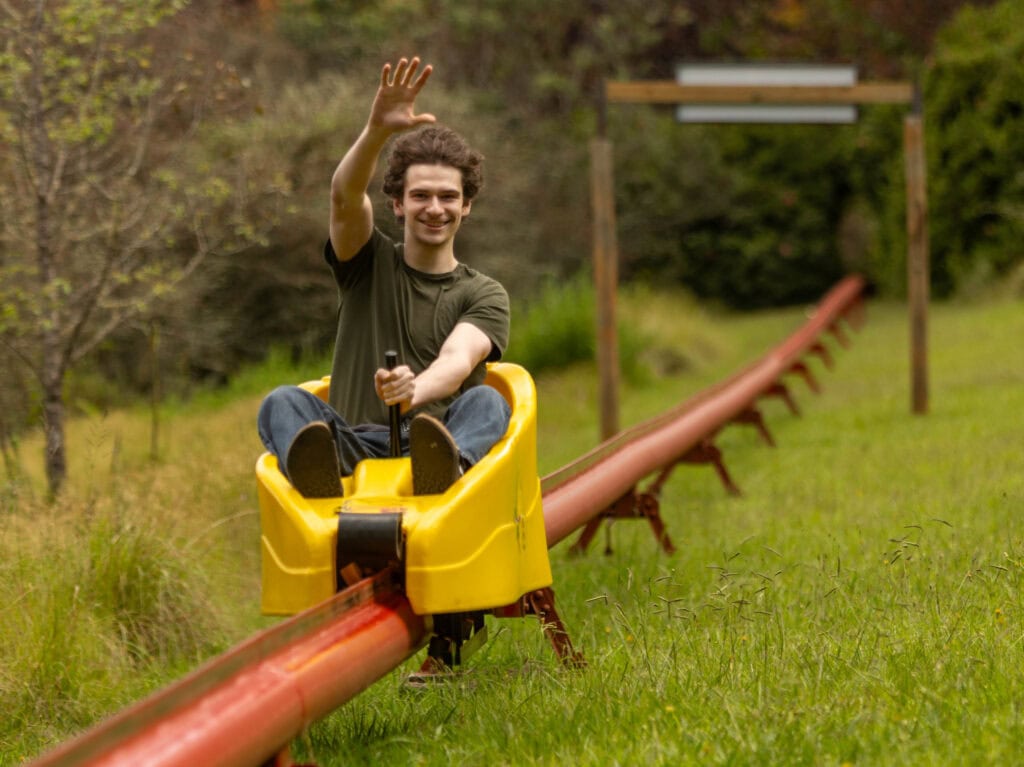
One of our most thrilling stops was Long Tom Misty Mountain, a breathtaking highland retreat known for its panoramic views and rich history tied to the Anglo-Boer War. But surely the highlight was the 1.7 km toboggan car ride, racing down the mountainside through the grasslands and forest in just under three minutes. The real fun, however, was watching everyone attempt to stop at the end—some with expert precision, others . . . not so much!
Our next stop was Graskop Gorge, the third-largest canyon in the world, offering stunning waterfalls and a rich ecosystem of indigenous plants and wildlife. We took an elevator to the base of the gorge and stepped into a rainforest-like paradise, where we walked across suspension bridges made from strings, climbed up and down staircases, and explored the incredible variety of trees and plant life.
After hours on the road and countless singalongs, we finally arrived at our hotel, a safari lodge within the boundaries of Kruger National Park. We couldn’t believe that zebras were just strolling around the lodge!
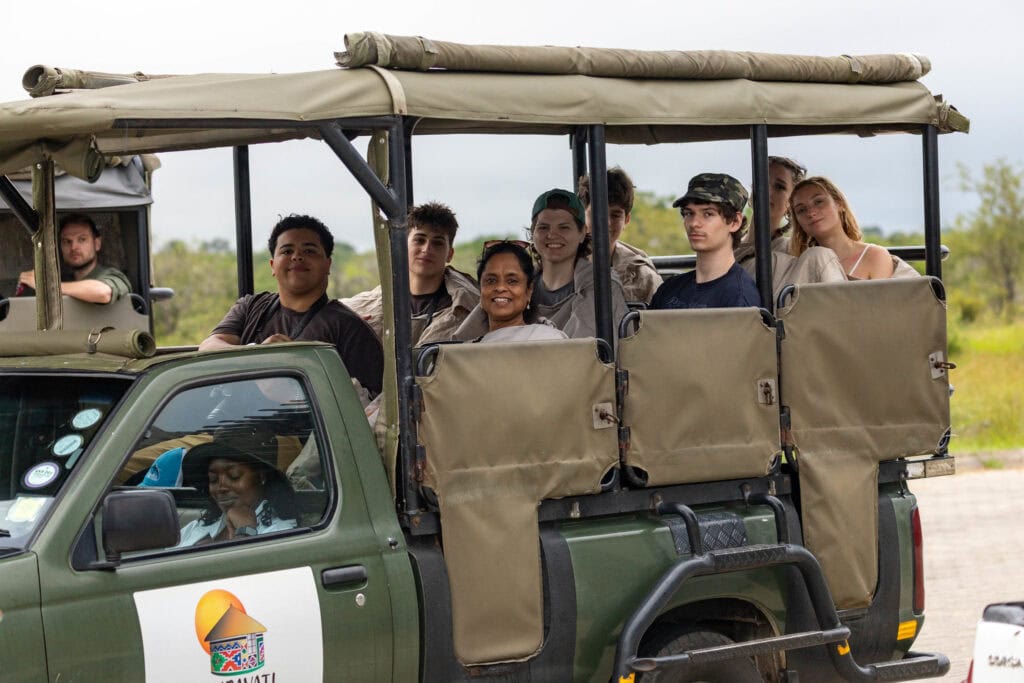
Safari Day in Kruger National Park! We split into 4 jeeps and arrived at Kruger National Park before sunrise. We named our jeep groups “Team Jurassic Park” with John and Linda; “We Brake for Birds,” led by Mark (of course!), Amin, and Bronwyn; “DSLRrrrrr” with Shani, Jen, and Patricia; and “Women in a Man’s Field” with Amanda, Mary, and Julie. Our jeeps generally stayed together. But the rangers all communicated with each other to share locations of animals for other trucks to enjoy. On any given day there could be 700 safari trucks in this park.
Kruger National Park was founded in 1898 by then president Paul Kruger to protect wildlife from excessive hunting. While Kruger was president—before the formal Apartheid government—there were racial segregation laws that removed Black South Africans from this land and overlooked the work Black South African conservationists were doing to protect the various species. There is a national pride in caring for this land, but there have been calls to rename this park to better reflect South Africa’s diverse history.
Kruger National Park is 20,000 square kilometers, equal to the size of New Jersey. It is home to 336 tree species, 49 fish, 34 amphibians, 114 reptiles, 507 birds, and 147 mammals. Oh my! We were there for hours and explored only a fraction of the park
We started our journey in the dark, apparently the best time to see the animals. The nocturnal animals are trying to find a place to rest and the other animals are starting their day. We were in the trucks for only five minutes before we came across our first sighting—a breeding herd of elephants.
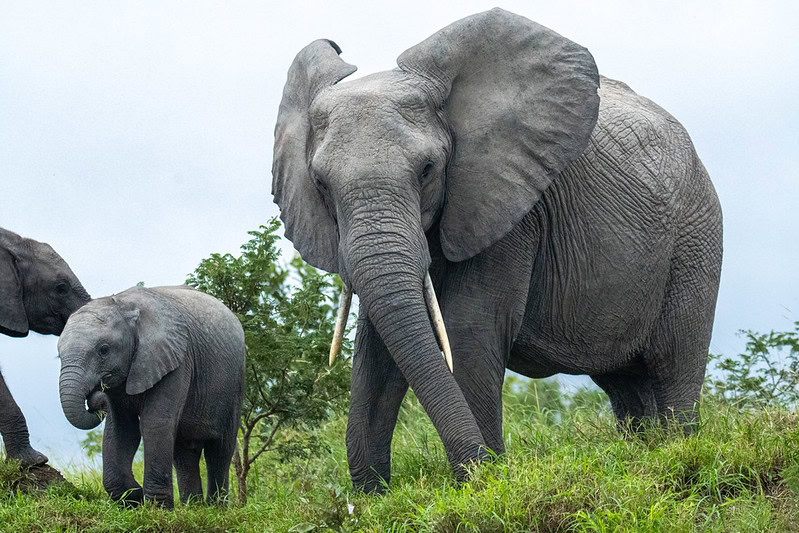
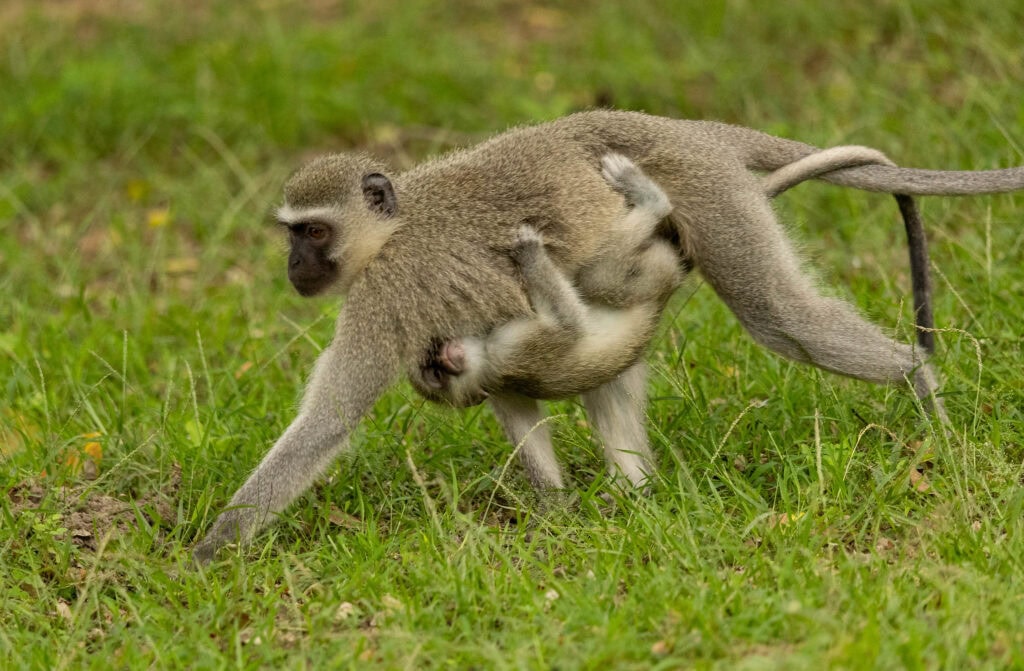
There were so many moments of awe during this safari. We were all overwhelmed by the proximity, size, and beauty of the animals we encountered. Ear flapping elephants, grazing giraffes, and playful impala were just a few of the many animals that graced us with their presence.
Of the Big 5 in Kruger, we saw lions, elephants, and buffalo in their natural habitat. We did not see rhinos or leopards, but we can all say that we saw three out of the Big 5 on our trip to South Africa! Not to mention:
It is hard to find the words to describe the wonder of today’s experience. The excitement was palpable with every turn we made. The work being done to protect wildlife and the environment in Kruger National Park is significant. This was an unforgettable experience.
The next day began with an early morning bush walk, but was mostly a travel day, with a long flight to Cape Town and a remarkable dinner with live music.
Our next day, in Cape Town, was filled with history, reflection, and breathtaking sights as we embarked on an unforgettable journey to Robben Island and Table Mountain. Students had the opportunity to walk through the past and witness firsthand the resilience of the human spirit.
Our morning began with a ferry ride across the waters of Table Bay to Robben Island, a place that holds deep historical significance in South Africa’s struggle against Apartheid. The crossing was lively and a little rough, but any discomfort faded the moment we stepped onto the island.
As we toured the island, we walked through the cell blocks, including the small, stark cell of Nelson Mandela in which he spent 18 of his 27 years in prison. We listened to stories of immense hardship but also of extraordinary resilience and unity among the prisoners.
Standing in the very space where Mandela spent so many years of his life, we felt the weight of history. Yet woven through every story was a powerful reminder of the strength of the human spirit—a quiet, enduring force that no prison could ever contain.
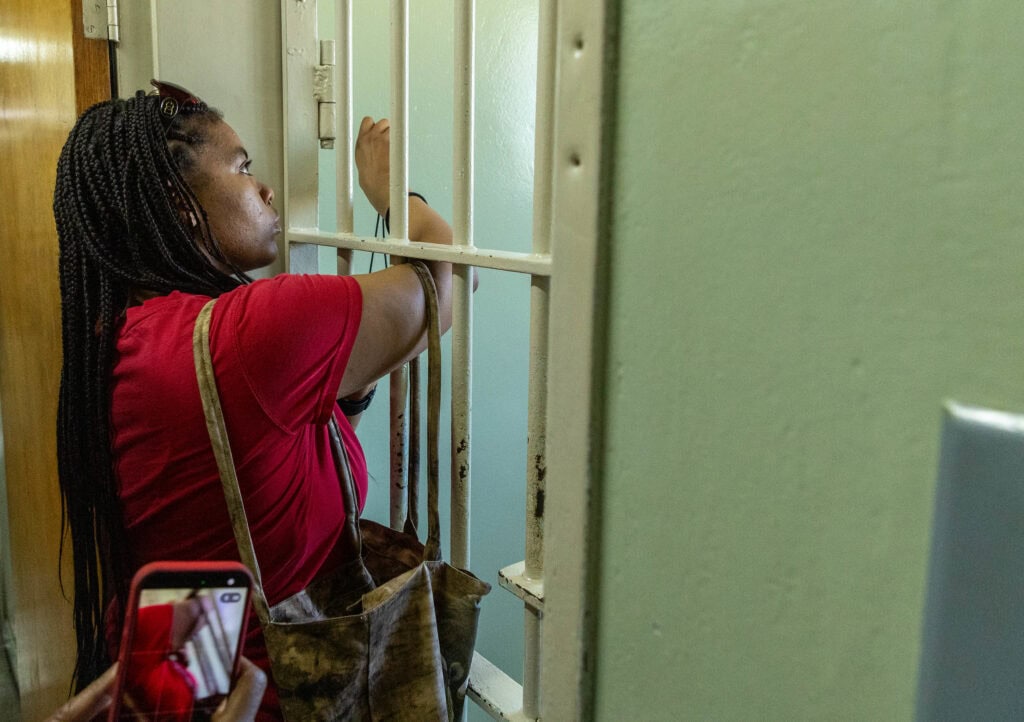
The tour continued with a bus ride around the island, where we saw the Limestone Quarry in which prisoners labored under the sun, their eyesight permanently damaged by the glare of the white limestone. Our bus tour guide, Wendy, spoke of the “Each One Teach One” philosophy that took root among the prisoners. Those who were more educated would secretly teach others how to read, write, and understand the law. Even in captivity, they found ways to empower one another, proving that knowledge and solidarity could never be confined by prison walls.
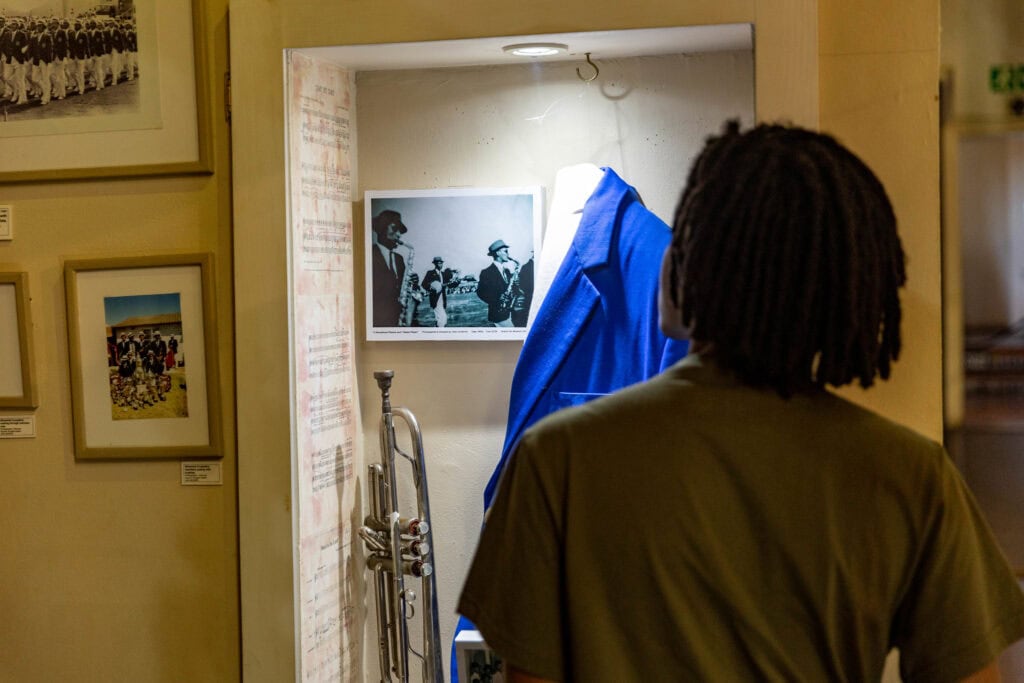
We ferried back to the mainland, and after lunch headed to the District Six Museum in the heart of a historic neighborhood destroyed during Apartheid. District Six was a vibrant community of people who were classified as “coloured” by the Population Registration Act, and the neighborhood had a substantial population of coloured Muslims, a group of people known as Cape Malay. In 1966, District Six was declared a “whites-only” area, and the residents were forcibly removed from their homes and relocated to areas far outside the city. Since the fall of Apartheid, the people of the neighborhood have been working to reclaim their space and their history. The museum exhibits centered the voices and memories of the people who lived there, highlighting not only the injustice of forced removals but also the strength and resilience of the community.
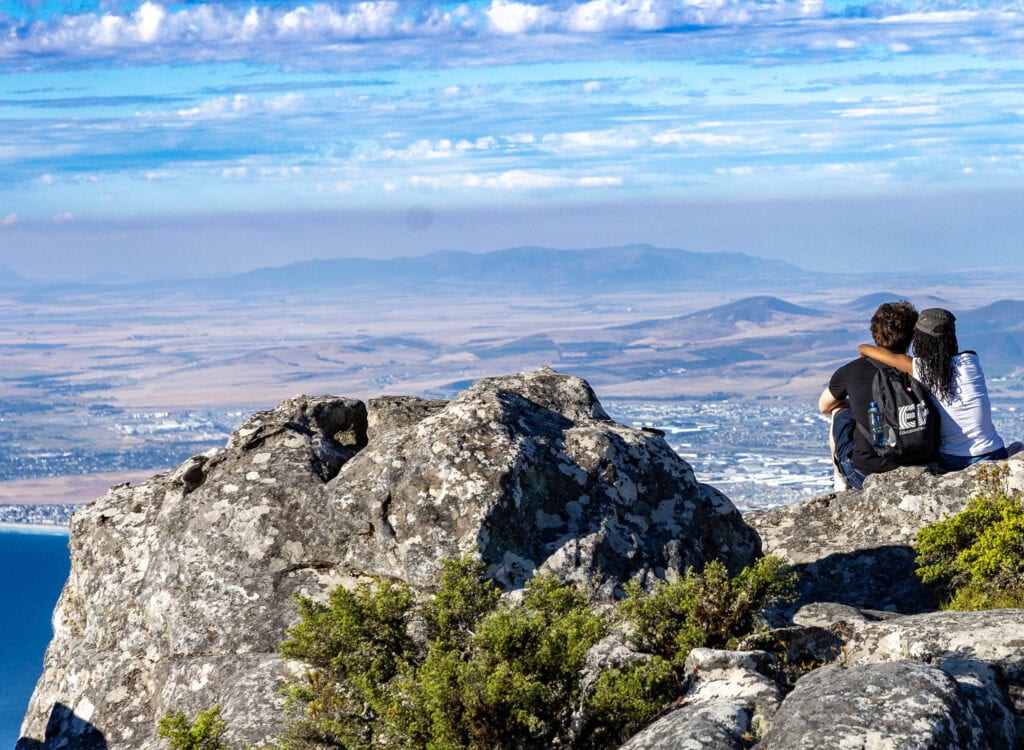
Our day continued with a visit to one of the New 7 Wonders of Nature—Table Mountain. Standing 3,558 feet above sea level, it is estimated to be more than 260 million years old and home to more than 1,470 plant species. We ascended to the top via a rotating cable car offering breathtaking panoramic views of the city, ocean, and surrounding landscape.
This day was a powerful mix of reflection and appreciation. We walked through history, learned lessons of resilience, and stood in awe of nature’s beauty.
We began the next day with a long drive through Cape Town’s affluent suburbs on the way to Cape Point, a promontory at the southeast corner of the Cape Peninsula. We walked to the top of the peak to see the Old Lighthouse to enjoy sweeping views of the bay and the mountains.
Our next stop was a photo opp at the Cape of Good Hope, the southwestern most point of the African continent, and an important landmark in nautical history. It was first rounded by Portuguese explorer Bartolomeu Dias in 1488 and originally named the “Cape of Storms” due to its treacherous waters. It was later renamed to reflect the hope of establishing a sea route to India. Over the centuries, it has played a significant role in global maritime trade as well as colonial expansion.
After stopping for lunch, we walked down to Boulder Beach to see a colony of African penguins. These small, flightless birds are critically endangered due to commercial fishing and climate change. We observed dozens of penguins swimming, climbing, and sunning themselves on the beach.
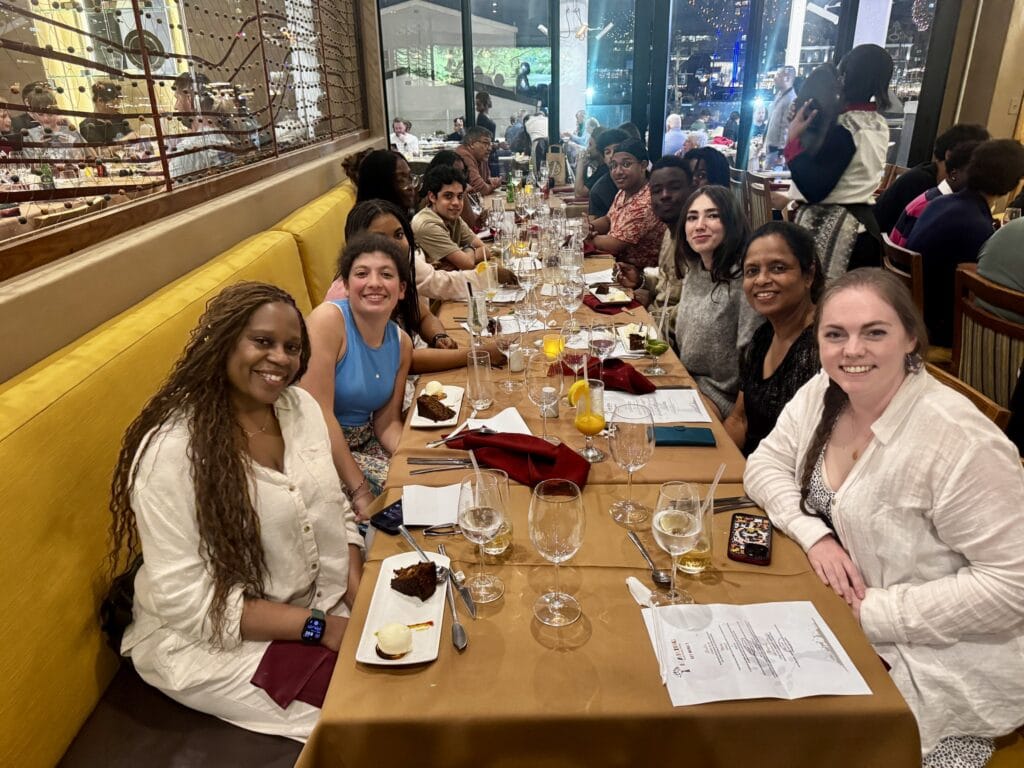
Finally, we had a delicious farewell dinner with Patricia. A South African choir and dance troupe performed a special rendition of “Happy Birthday” three times to celebrate three students’ upcoming birthdays. We ended our night with reflections and gratitudes in the lobby before heading to our rooms to pack for our return journey.
Our last day in South Africa turned out to be an unforgettable one. We took a guided tour of Langa Township to learn about the community’s history and gain a deeper understanding of daily life in one of South Africa’s oldest Black townships. A gardener working on opening a farm to table restaurant brewed us herbal tea. Some students tried “smiley”—roasted sheep’s head—which is a local delicacy. And because it was Saturday, a ton of local children were playing in the streets. So our students played pickup soccer with them and did piggyback ride races.
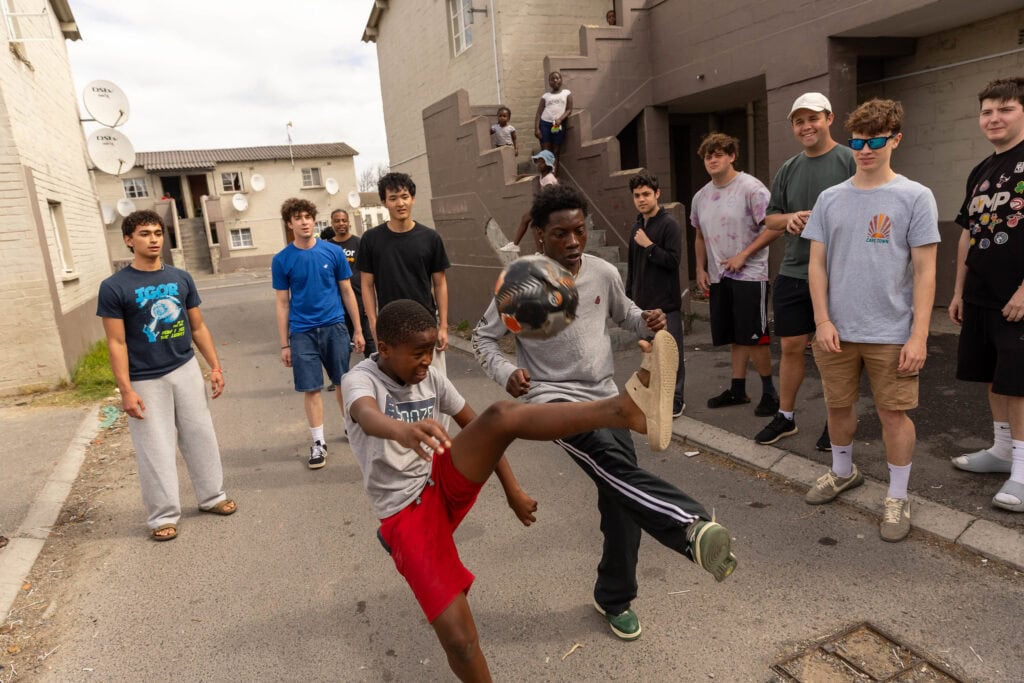
As we walked through the neighborhood, connecting with so many local people, we reflected on the progress made since Apartheid and the ongoing challenges Black South Africans continue to face. This final moment of our trip helped us consider the lasting impact of system inequality and the work still needed to achieve true justice and equity, here in South Africa, back home in Brooklyn, and around the world.
We had a fantastic trip. Over the course of the week, we watched this group grow closer—supporting each other, sharing in new experiences, and building a sense of connection that felt deeper and more intentional than before. Their reflections in letters, in our nightly meetings, and in conversations throughout the trip have been thoughtful and genuine, grounded in both curiosity and care. They brought a spirit of openness, humor, and respect to each day, and it made traveling together a joy. We have seen a beautiful sense of community take shape this week, and we feel so grateful to have shared it with them.Thank you Aaron, Alex, Annabel, Amalia, Austin, Dominic, Hailey, Issa, Jack, Jackson, Jaden, Javella, Julius, Kalilah, Leo, Mekhi, Mikayla, Noah E., Noah P., Orion, Riccardo, Rumi, Sam, Sebastian, Sophia, Zoe, and Zuri.